Understanding Forex Regulations Across the Middle East
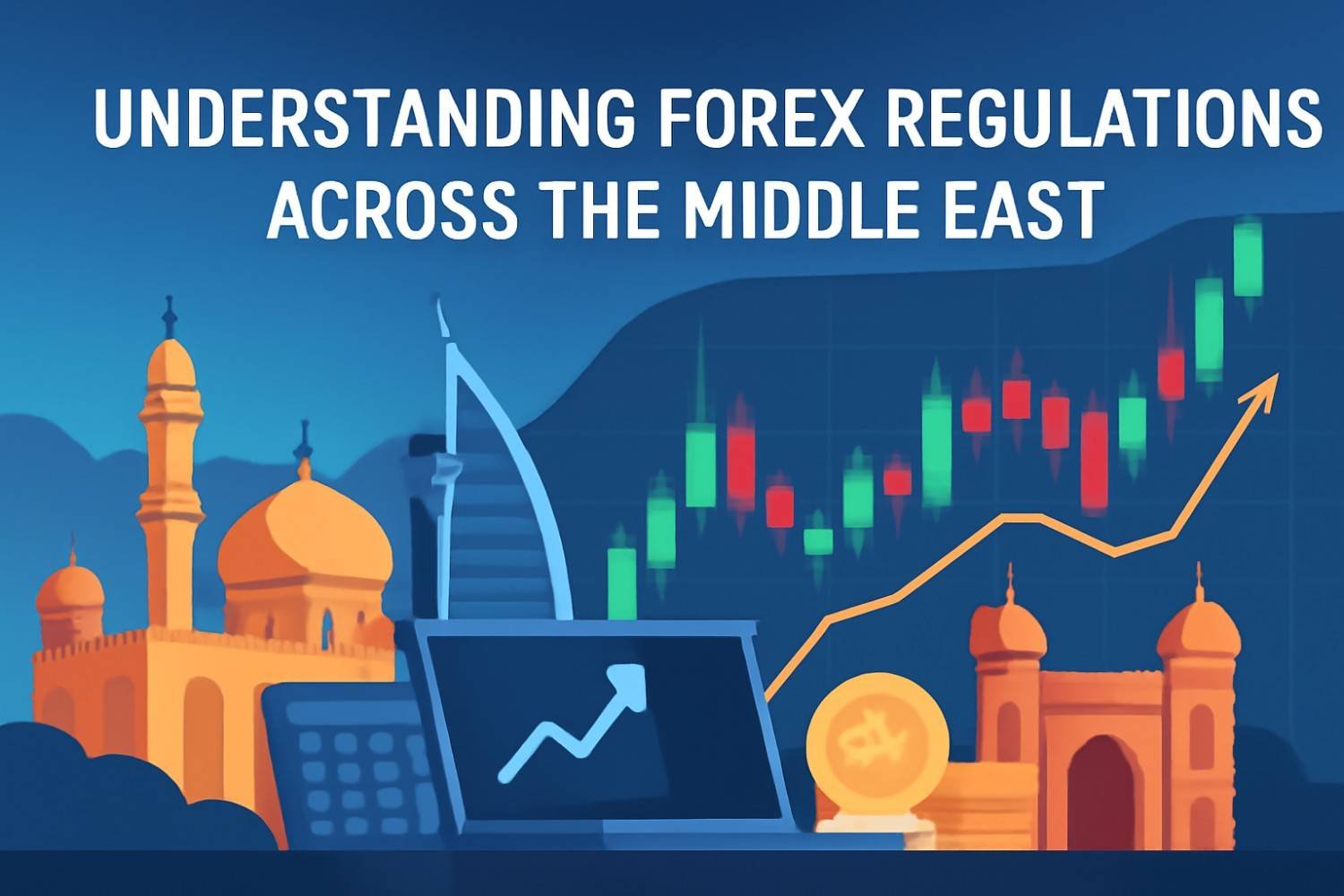
Forex trading has witnessed a significant rise in popularity across the Middle East, fueled by economic diversification, growing financial markets, and technological advancements. However, with the surge in forex activity, countries in the region have introduced various regulations to ensure that the market remains secure, transparent, and conducive to investor confidence. Understanding these regulations is crucial for both retail and institutional traders looking to participate in the Middle Eastern forex market in 2025. This article delves into the forex regulations across key Middle Eastern countries, highlighting their approaches, benefits, and challenges.
The United Arab Emirates: Pioneering Forex Regulations
The United Arab Emirates (UAE) has firmly established itself as a regional leader in forex trading, with Dubai and Abu Dhabi serving as key financial hubs. The UAE’s forex regulations are governed by the Securities and Commodities Authority (SCA) and the Dubai Financial Services Authority (DFSA) in Dubai International Financial Centre (DIFC). These regulations aim to create a safe environment for both local and international traders.
The DFSA, a globally recognized regulator, ensures that forex brokers operating within Dubai adhere to strict compliance standards, including transparency, investor protection, and fair market practices. The SCA regulates forex activities outside DIFC but still maintains a high level of oversight to ensure market integrity.
In 2025, the UAE remains an attractive destination for forex traders due to its robust regulatory framework, tax incentives for investors, and its status as a growing fintech hub. The UAE is also home to major forex expos and conferences, such as the Forex Expo Dubai, which fosters networking and education within the forex industry.
Saudi Arabia: Evolving Regulations with Vision 2030
Saudi Arabia, as the largest economy in the Middle East, has ambitious plans for economic diversification under its Vision 2030 initiative. While the Kingdom’s regulatory landscape for forex trading is still developing, significant strides are being made to incorporate forex activities into the broader financial ecosystem.
The Saudi Capital Markets Authority (CMA) oversees financial markets, including forex, but the country has yet to establish a fully developed regulatory framework specifically for forex trading. Traders in Saudi Arabia often rely on offshore brokers that comply with international standards. However, the government’s increasing focus on financial reforms and the introduction of fintech regulations suggest that Saudi Arabia’s forex regulations will continue to evolve.
Despite the lack of specific forex licenses, Saudi Arabia’s growing investor base and active participation in global financial markets make it an emerging player in the forex space. The Saudi Arabian Stock Exchange (Tadawul) has experienced steady growth, and with Vision 2030’s emphasis on expanding financial services, the country’s forex market is expected to develop further.
Qatar: A Tax-Free Forex Trading Environment
Qatar has established itself as one of the most forex-friendly countries in the region due to its tax-free environment for individual traders. The Qatar Financial Centre (QFC) regulates financial activities within Qatar, ensuring that forex brokers operating in the country adhere to international standards of transparency and security.
In 2025, Qatar remains an attractive market for forex traders, thanks to its favorable regulatory framework and strategic position as a regional financial hub. The country’s financial services sector is rapidly expanding, with an increasing number of forex brokers establishing a presence in Doha. This growth is supported by the Qatar Financial Centre Regulatory Authority (QFCRA), which ensures that forex brokers meet high standards of financial conduct.
Qatar’s tax-free status and strong economic outlook, coupled with its ongoing regulatory developments, make it an ideal destination for traders seeking to operate in a secure and supportive environment. Qatar’s role in global financial markets continues to strengthen, further solidifying its place as a key player in the Middle Eastern forex industry.
Bahrain: Leading the Way in Financial Innovation
Bahrain has long been recognized as a regional leader in financial services, with a regulatory framework that supports forex trading and other financial markets. The Central Bank of Bahrain (CBB) is responsible for regulating forex activities, and it has established clear guidelines to ensure the market operates transparently and securely.
In 2025, Bahrain’s forex regulations are focused on promoting financial innovation and maintaining investor protection. The CBB has introduced several initiatives aimed at fostering a competitive market, including the creation of a regulatory sandbox for fintech companies, including forex brokers, to test their products and services.
Bahrain’s proactive approach to regulation and financial innovation, combined with its strategic location in the Gulf, makes it an appealing destination for forex brokers and traders alike. The country’s commitment to maintaining a stable and regulated forex market positions it as a key player in the region’s financial landscape.
Kuwait: Developing Regulatory Frameworks for Forex Trading
Kuwait is in the process of developing a comprehensive regulatory framework for forex trading. The country’s Capital Markets Authority (CMA) has been working on introducing regulations that will better regulate forex brokers and enhance market transparency. While forex trading is legal in Kuwait, the lack of a fully developed regulatory environment presents challenges for both traders and brokers.
In 2025, Kuwait’s forex market remains relatively small compared to its neighbors, but ongoing regulatory developments indicate that the country is moving towards greater financial market integration. The CMA’s efforts to establish a solid framework for forex trading reflect Kuwait’s recognition of the growing demand for forex services within the country and the broader region.
Kuwait’s future as a forex hub is promising, particularly as the country works to develop a regulatory system that balances market growth with investor protection.
Oman: Regulating the Emerging Forex Market
Oman has yet to develop a comprehensive regulatory framework for forex trading, but the country’s Capital Market Authority (CMA) is actively exploring ways to regulate and promote forex activities. Oman is in the early stages of fostering a forex trading environment, and it is expected that the government will introduce regulations in the coming years.
Despite the lack of a fully developed forex market, Oman’s strategic initiatives to diversify its economy and improve financial services suggest that the country will become a more prominent player in the forex space. As Oman’s regulatory environment matures, it is likely to attract more forex brokers and traders.
Egypt: Expanding the Forex Market with Government Support
Egypt’s forex market has been expanding steadily, bolstered by government support and economic reforms. The Central Bank of Egypt (CBE) regulates forex activities in the country, and in recent years, the government has introduced measures to enhance the forex market’s accessibility and transparency.
In 2025, Egypt’s forex market is growing in tandem with the country’s economic recovery. As Egypt continues to attract foreign investment and modernize its financial sector, the forex market is expected to see continued expansion. The CBE’s oversight ensures that forex activities in Egypt remain compliant with national regulations, offering a secure trading environment for both domestic and international investors.
Regional Forex Regulation Trends
Several trends are shaping forex regulation across the Middle East in 2025:
-
Increasing Regulatory Clarity: As more countries in the region develop and refine their forex regulations, there is a growing emphasis on providing clear guidelines for brokers and traders.
-
Financial Innovation: Countries like Bahrain and the UAE are embracing financial technology and innovation, which has led to the creation of regulatory sandboxes and fintech hubs to promote new forex services.
-
Investor Protection: As the forex market continues to grow, regulatory authorities are prioritizing investor protection, ensuring that brokers operate transparently and fairly.
-
Tax Incentives: Countries like Qatar and the UAE offer tax incentives that attract forex traders and investors, creating favorable conditions for market growth.
Conclusion
The Middle East is rapidly becoming a significant player in the global forex market, driven by evolving regulations, economic diversification, and financial innovation. Countries like the UAE, Saudi Arabia, Qatar, Bahrain, Kuwait, Oman, and Egypt are working to create secure, transparent, and competitive environments for forex trading. As the regulatory landscape continues to mature in 2025, the region is set to become an increasingly important hub for forex traders and brokers. Understanding these regulations and staying informed about changes in the market is essential for anyone looking to navigate the Middle Eastern forex landscape effectively.