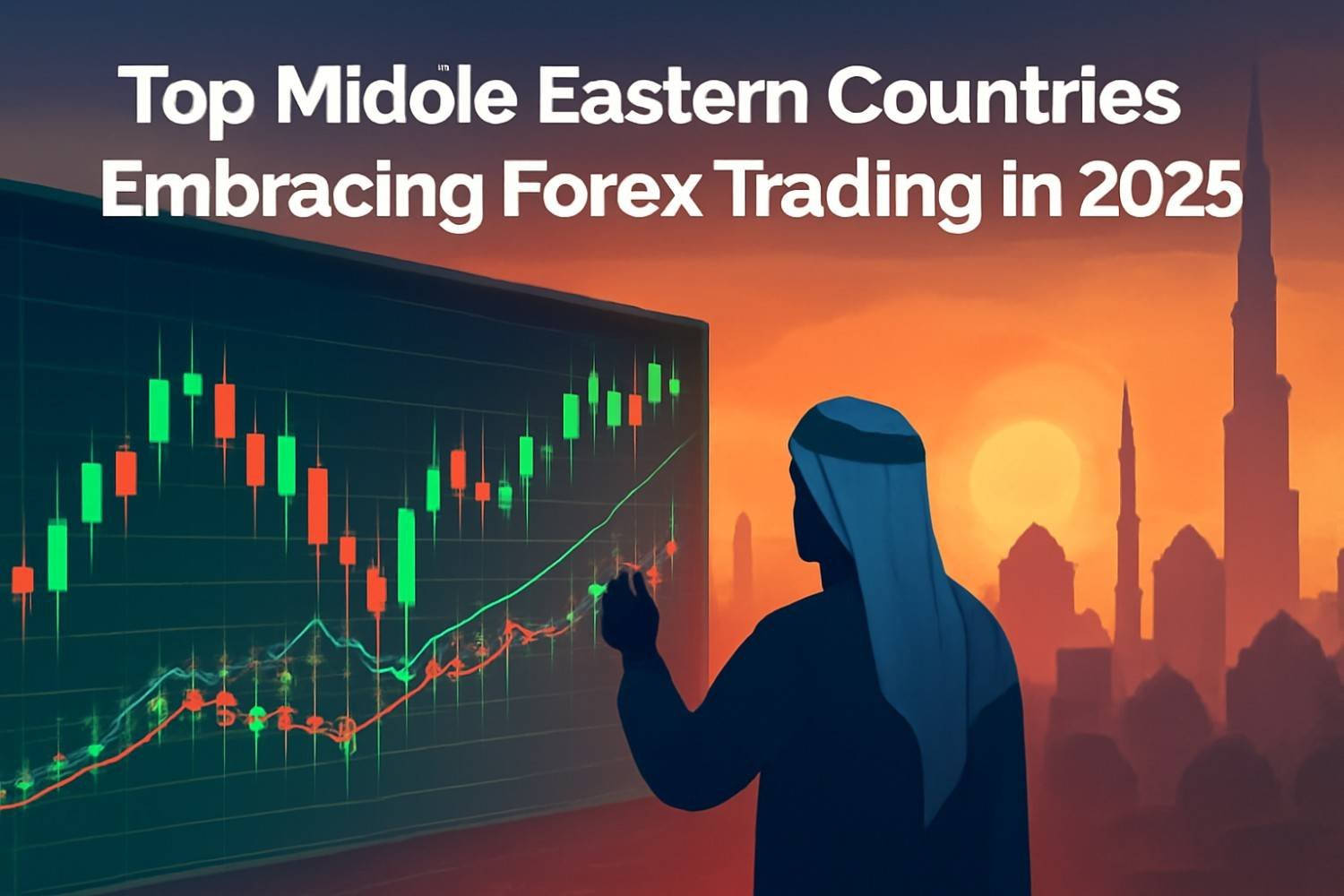
The Middle East has emerged as a dynamic hub for forex trading, driven by economic diversification, technological advancements, and evolving regulatory landscapes. In 2025, several countries in the region have positioned themselves as leaders in the global forex market, attracting both retail and institutional traders.
United Arab Emirates: A Forex Trading Powerhouse
The United Arab Emirates (UAE), particularly Dubai, has solidified its status as a premier destination for forex trading in the Middle East. The Dubai International Financial Centre (DIFC) and the Abu Dhabi Global Market (ADGM) provide robust regulatory frameworks that align with international standards, fostering a secure environment for traders and investors.
In March 2025, trading volumes on UAE-based forex platforms reached record highs, fueled by global market volatility and increased participation from Emirati youth and expatriates. The Securities and Commodities Authority (SCA) oversees forex activities, ensuring transparency and investor protection.
Dubai hosts major forex events, such as the Forex Expo Dubai and the Forex Traders Summit, attracting global leaders and innovators in the industry. These events underscore the UAE’s commitment to becoming a global fintech hub.
Saudi Arabia: Integrating Forex Trading into Vision 2030
Saudi Arabia is increasingly integrating forex trading into its Vision 2030 economic diversification plan. While the Capital Markets Authority (CMA) and the Saudi Central Bank (SAMA) do not mandate licenses for forex brokers, the Kingdom’s growing financial infrastructure and investor interest are shaping its forex landscape.
In June 2025, Saudi Arabia’s stock market rebounded, reflecting investor confidence amid geopolitical developments and expectations of U.S. interest rate cuts. This positive sentiment extends to the forex market, with increasing participation from both retail and institutional traders.
Qatar: A Tax-Free Haven for Forex Traders
Qatar offers a favorable environment for forex trading, characterized by a tax-free regime for individual traders. The Qatar Financial Centre Regulatory Authority (QFCRA) oversees financial activities, ensuring compliance with international standards.
In December 2025, Doha will host the Money Expo Qatar, bringing together global forex brokers, fintech companies, and investors to discuss trends and opportunities in the forex market. This event highlights Qatar’s growing role in the regional forex landscape.
Kuwait: Navigating Forex Trading Amid Regulatory Developments
Kuwait’s approach to forex trading is evolving, with the Capital Markets Authority (CMA) working towards establishing a comprehensive regulatory framework. While forex trading is legal, the lack of a fully developed regulatory environment presents challenges for traders and brokers.
Despite these challenges, Kuwait’s strategic location and economic initiatives contribute to its potential as a future player in the forex market. Ongoing regulatory developments aim to enhance the country’s appeal to forex traders.
Bahrain: Leveraging Financial Innovation for Forex Trading
Bahrain has positioned itself as a center for financial innovation in the Middle East. The Central Bank of Bahrain (CBB) regulates forex trading activities, ensuring a secure and transparent environment for traders.
The country’s commitment to financial technology and innovation supports the growth of the forex market. Bahrain’s proactive approach to regulatory development and financial services positions it as a competitive player in the regional forex landscape.
Oman: Emerging Opportunities in Forex Trading
Oman is gradually entering the forex trading arena, with the Capital Market Authority (CMA) exploring ways to regulate and develop the sector. While the market is still in its nascent stages, Oman’s strategic initiatives aim to create a conducive environment for forex trading.
As the regulatory framework matures, Oman is expected to attract more traders and brokers, contributing to the diversification of the Middle Eastern forex market.
Egypt: A Growing Forex Trading Market
Egypt’s forex market is expanding, driven by economic reforms and increased investor interest. The Central Bank of Egypt oversees forex activities, ensuring compliance with national regulations.
In June 2025, Egypt’s stock market saw positive movement, reflecting improved investor sentiment. This optimism extends to the forex market, with growing participation from both domestic and international traders.
Regional Trends Shaping the Forex Landscape
Several key trends are influencing the forex trading environment in the Middle East:
-
Technological Advancements: The adoption of advanced trading platforms and tools enhances the trading experience for users across the region.
-
Regulatory Developments: Countries are working towards establishing and refining regulatory frameworks to ensure secure and transparent forex trading environments.
-
Geopolitical Factors: Regional geopolitical events impact market volatility, influencing forex trading dynamics.
-
Economic Diversification: Efforts to diversify economies beyond oil dependence are leading to increased interest in financial markets, including forex trading.
Conclusion
In 2025, the Middle East stands as a burgeoning center for forex trading, with countries like the UAE, Saudi Arabia, Qatar, Kuwait, Bahrain, Oman, and Egypt playing pivotal roles. Each nation offers unique advantages, from favorable tax regimes to evolving regulatory frameworks, attracting a diverse range of traders and investors. As the region continues to develop its financial infrastructure and regulatory environments, it is poised to become a significant player in the global forex market.
For traders and investors seeking opportunities in the Middle Eastern forex market, staying informed about regulatory changes, technological advancements, and market trends is essential to navigate this dynamic landscape effectively.