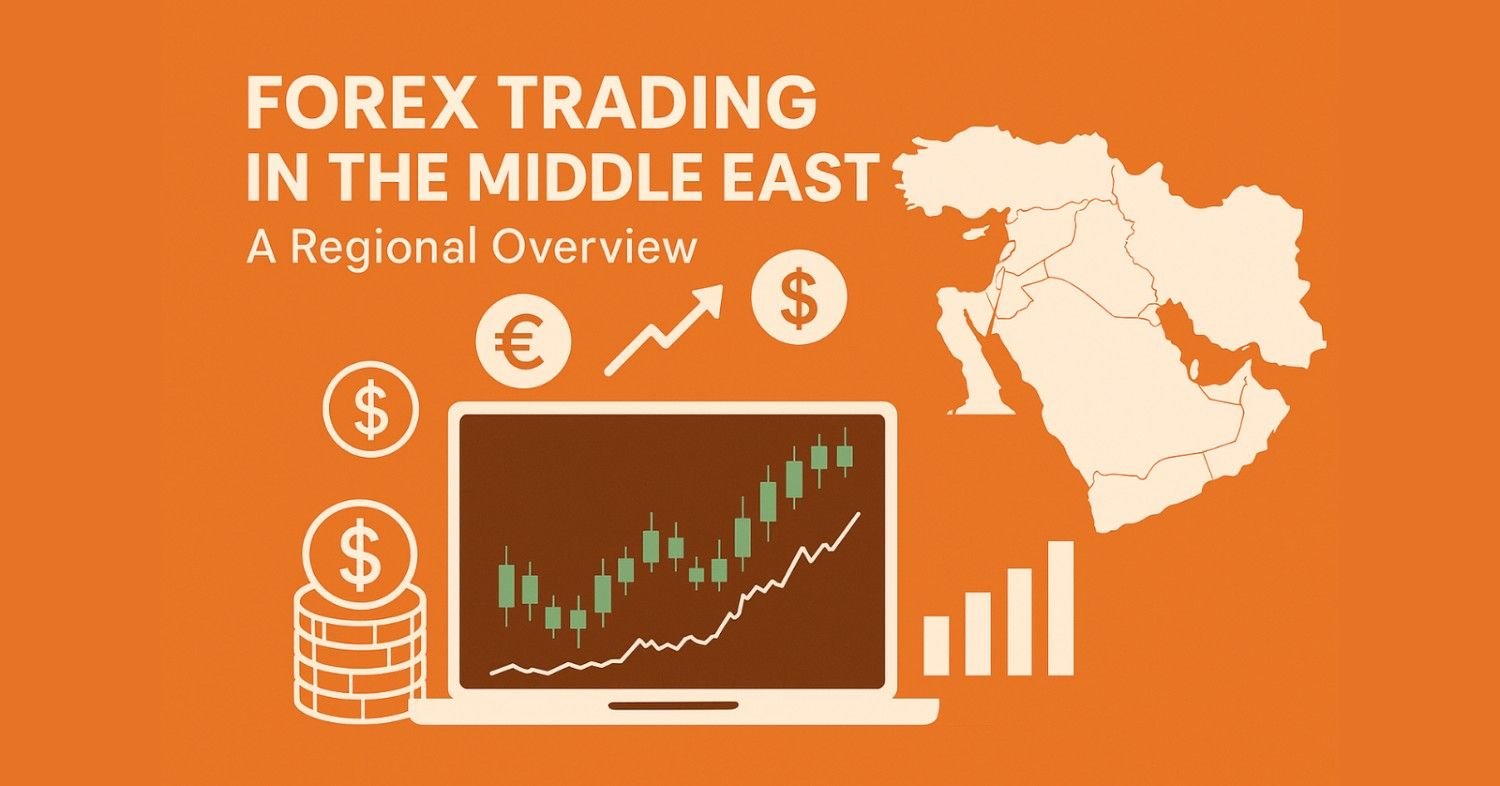

Forex trading has seen significant growth across the Middle East in recent years. With the rise of digital platforms, increasing financial literacy, and regulatory developments, individuals and institutions in the GCC region are exploring opportunities in currency markets. For brokerages and regional managers, understanding the dynamics of Forex adoption, regulatory frameworks, and compliance with Islamic finance principles is essential. This guide provides a comprehensive look at Forex trading in the Middle East, addressing the question is trading accepted in Islam, and exploring aspects such as copy trading in GCC and UAE forex platforms.
The Rise of Forex Trading in the Middle East
The Middle East has historically been associated with oil and traditional financial instruments. However, technological advancements and increased access to global markets have encouraged interest in Forex trading.
Factors Driving Adoption
-
Digital Trading Platforms: Brokers now offer user-friendly interfaces and mobile apps for Forex trading.
-
Increased Financial Literacy: Investors are becoming more aware of global markets and trading strategies.
-
High Liquidity Demand: GCC countries have significant capital flows, making currency markets attractive.
-
Government Initiatives: Some governments are promoting financial diversification and investment awareness.
As a result, the region has seen a steady increase in retail and institutional Forex trading activity, particularly with the rise of copy trading in GCC, which makes trading accessible for beginners and experienced traders alike, with markets in Saudi Arabia, UAE, and Qatar leading adoption.
Understanding Islamic Compliance in Forex
One of the critical considerations for Middle Eastern traders is compliance with Islamic finance principles. Investors often ask, is trading accepted in Islam?
Principles of Halal Trading
Islamic finance is guided by Sharia law, which prohibits interest (riba), excessive uncertainty (gharar), and gambling (maysir). For Forex trading to be considered halal, certain conditions must be met:
-
Spot Transactions Only: Trades must involve immediate exchange of currency at the current market price.
-
Swap-Free Accounts: No overnight interest or swap charges are applied.
-
Transparent Ownership: Traders must own the asset and bear both profit and loss directly.
-
No Speculative Behavior: Decisions should be based on analysis rather than gambling or random speculation.
Traders and brokerages can offer Sharia-compliant accounts to ensure that trading activities align with Islamic principles. This includes copy trading in forex platforms that offer swap-free accounts to meet these needs.
Copy Trading in GCC Markets
Copy trading in GCC has emerged as a popular option for beginners and investors seeking professional guidance. It allows users to replicate the trades of experienced traders in real time.
How Copy Trading Works
-
Trader Selection: Investors choose professional traders to follow, often based on verified performance data.
-
Automatic Execution: Trades placed by the chosen trader are mirrored in the investor’s account.
-
Custom Allocation: Investors can set the amount of capital to allocate and risk exposure per trade.
Benefits for GCC Traders
-
Low Barrier to Entry: Investors can participate without extensive market knowledge.
-
Time Efficiency: Trades are automated, allowing investors to benefit without constant monitoring.
-
Risk Management: Users can diversify across multiple professional traders to reduce exposure.
Copy trading is increasingly offered by brokers in the UAE, Saudi Arabia, and Qatar, often with Sharia-compliant options to ensure adherence to Islamic finance principles. Similar trends can be observed with copy trading platforms in India, which are attracting more retail investors.
UAE Forex Platforms and Regional Brokerages
The UAE has positioned itself as a hub for Forex trading in the Middle East. Brokers and platforms in Dubai, Abu Dhabi, and Sharjah offer both retail and institutional services.
Key Features of UAE Forex Platforms
-
Regulatory Oversight: Licensed brokers comply with the UAE Securities and Commodities Authority (SCA) and other regional regulators.
-
Sharia-Compliant Accounts: Many platforms provide swap-free trading and ethical investment options.
-
Advanced Tools: Platforms offer charting software, technical indicators, and social trading features.
-
Mobile Accessibility: Traders can access accounts and execute trades via smartphones and tablets.
Brokerages that combine regulatory compliance with modern trading tools are seeing higher adoption rates among both local and expatriate investors.
Types of Trading Popular in the Middle East
Understanding different trading styles helps investors and brokerages align products with client needs.
1. Day Trading
-
Traders open and close positions within a single day.
-
Profits come from short-term market fluctuations.
-
Suitable for active traders with time and attention to monitor markets.
2. Swing Trading
-
Positions are held for several days or weeks.
-
Focused on capturing medium-term trends.
-
Balances risk with the potential for higher returns than day trading.
3. Position Trading
-
Long-term strategy based on macroeconomic trends.
-
Traders hold positions for months, sometimes years.
-
Requires significant capital and patience.
4. Copy Trading / Social Trading
-
Copy Trading / Social Trading enables beginners to follow professional traders, reducing the learning curve.
-
To understand what is copy trading, refer to platforms where trades are automatically mirrored in real time.
These styles are offered by GCC brokers with compliance options for Islamic finance, ensuring that each style can be adapted to Sharia principles.
Risk Management in Middle Eastern Forex Trading
Risk management is crucial in any trading environment. Middle Eastern traders benefit from strategies that mitigate losses while allowing growth.
Core Risk Management Techniques
-
Position Sizing: Determine the right amount of capital per trade based on risk tolerance.
-
Stop-Loss Orders: Automatically close positions to prevent excessive loss.
-
Diversification: Trade multiple currency pairs and strategies to reduce exposure.
-
Leverage Control: Limit the use of high leverage to avoid significant drawdowns.
Proper risk management ensures that traders can engage in markets responsibly and sustainably, which is a key feature of copy trading platforms Australia, where traders can diversify risk by copying multiple professionals.
Sharia-Compliant Risk Considerations
For Muslim investors, risk management also involves ensuring that trades comply with Islamic finance principles.
Guidelines Include:
-
Avoid transactions that generate interest.
-
Ensure transparency in fees and execution.
-
Use risk-limiting orders and avoid speculation that resembles gambling.
-
Allocate capital according to approved ethical frameworks.
Brokerages that provide these options attract investors seeking both profit and compliance with religious principles.
Education and Training for GCC Traders
Brokerages in the Middle East have recognized the importance of educational programs to increase adoption and improve client performance.
Educational Initiatives Include:
-
Webinars and Workshops: Covering fundamentals, technical analysis, and risk management.
-
Demo Accounts: Allowing new traders to practice without real capital.
-
Sharia Compliance Guides: Explaining which trading activities are halal.
-
Copy Trading Tutorials: Demonstrating how to select professional traders and allocate funds.
Well-structured education improves client confidence and reduces early-stage trading mistakes.
Social Trading Platforms for Beginners in the Middle East
Social trading allows novice investors to follow experts and engage in Forex with lower risk.
Features for Beginners
-
Community Insights: See how experienced traders make decisions.
-
Automatic Trade Execution: Follow professional trades without manual input.
-
Performance Transparency: Track trader performance and risk levels.
-
Sharia Compliance Options: Swap-free accounts and ethical trading practices.
These platforms make Forex trading more accessible and help build long-term trust between brokerages and clients, similar to copy trading platforms in South Africa, which are gaining popularity for their user-friendly interfaces and low barriers to entry.
Regulatory Landscape Across the GCC
Regulation is a critical factor in building a safe and sustainable Forex trading ecosystem.
Key Regulatory Bodies
-
UAE: Securities and Commodities Authority (SCA) oversees licensed brokers.
-
Saudi Arabia: Capital Market Authority (CMA) regulates trading activities.
-
Qatar and Bahrain: Provide licensing and monitoring for Forex platforms.
Regulated platforms ensure transparency, security, and ethical trading practices, which are essential for attracting both local and international investors.
Trends Driving Forex Adoption in the Middle East
Several trends contribute to the growing popularity of Forex trading across the GCC:
-
Digitalization of Trading Platforms: Mobile apps and online interfaces make trading accessible to retail clients.
-
Increased Financial Literacy: Awareness programs and online courses improve investor knowledge.
-
Sharia-Compliant Solutions: Ethical trading options attract Muslim investors.
-
Copy Trading and Social Platforms: Lower barriers for beginners and reduce the learning curve.
These trends indicate that the region will continue to see growth in retail and institutional Forex participation.
Challenges for Brokerages in the Region
While opportunities exist, brokerages face unique challenges in the Middle East:
-
Compliance with Islamic Finance: Ensuring all products are Sharia-compliant.
-
Market Education: Many investors are still unfamiliar with Forex trading risks.
-
Regulatory Differences: Each country has its own licensing and reporting requirements.
-
Technology Integration: Platforms must provide secure, user-friendly tools with analytics and copy trading options.
Brokerages that address these challenges effectively can capture market share and maintain long-term client trust.
Recommendations for Brokerages Targeting GCC Clients
To succeed in the Middle Eastern market, brokerages should focus on compliance, education, and technology:
-
Offer swap-free accounts and Sharia-compliant trading options.
-
Provide demo accounts and educational content for beginners.
-
Include copy trading in GCC with transparent performance metrics.
-
Develop UAE forex platforms and mobile apps with real-time analytics.
-
Ensure full compliance with local regulatory bodies.
By integrating these elements, brokerages can expand their presence while respecting cultural and religious norms.
Conclusion
Forex trading in the Middle East is growing rapidly, fueled by technological innovation, education, and demand for Sharia-compliant investment options. Understanding is trading accepted in Islam is critical for brokers who wish to serve Muslim clients ethically.
With the rise of copy trading in GCC and the availability of UAE forex platforms, traders have access to both beginner-friendly and advanced tools. Brokerages that combine regulation, education, and Sharia-compliant solutions will build trust and long-term relationships with clients.
The region offers significant opportunities for both retail and institutional investors, and those who adopt transparent, compliant, and user-friendly practices are likely to lead in Middle Eastern Forex trading.