
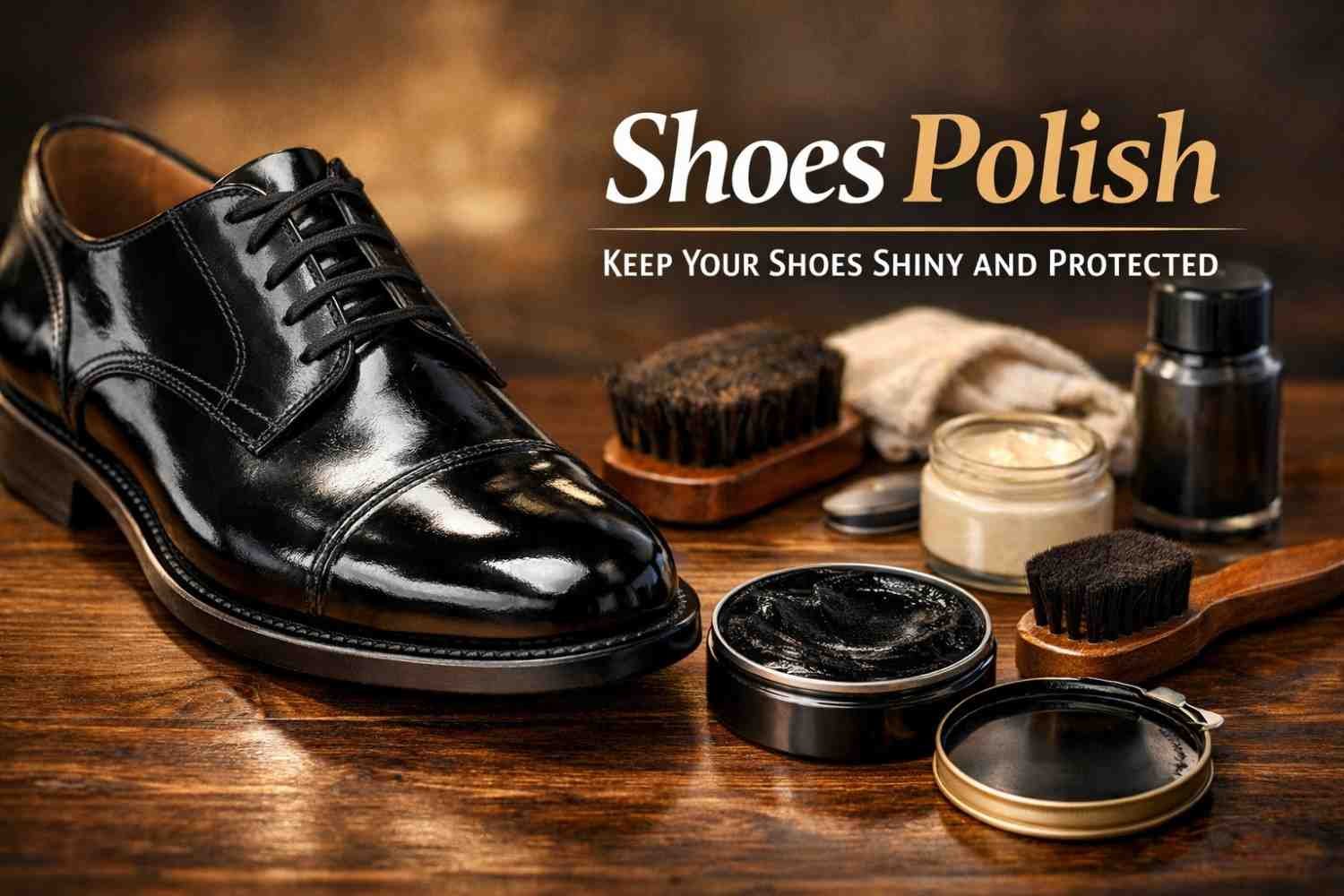
What Is Shoe Polish, and Why Is It Essential?
Your shoes are an investment. A good pair should last for years, not just seasons. The secret to keeping them looking new and extending their lifespan is regular care with the right shoe polish. This guide explains how shoe polish works, how to choose it, and how to apply it correctly. You will learn to protect leather, maintain sneakers, and avoid common mistakes. Let’s start with the basics.
Shoe polish is a care product designed to clean, nourish, and protect footwear. It is not just for looks. Regular use prevents leather from drying out and cracking. It also creates a barrier against water, dirt, and scuffs. Using shoe polish is a simple habit that saves money by making your shoes last longer.
How Shoes Polish Protects and Preserves Leather
Leather is skin. Like skin, it needs moisture to stay flexible. Over time, leather loses its natural oils. This causes it to become stiff and develop cracks. A good shoe polish contains conditioners that replace these oils. It also contains pigments to cover scuffs and waxes that seal the surface. This combination nourishes the material and shields it from daily wear. For authoritative information on leather science and preservation, you can refer to resources from The Leather Conservation Centre.
The Difference Between Cream and Wax Polishes
Understanding this difference is key. Cream polish has a higher concentration of conditioning oils and pigments. It is designed to moisturize leather deeply and restore color. Wax polish has a higher concentration of protective waxes, like carnauba. It is applied over cream to build a hard, shiny, water-resistant shell. Think of cream as food for the leather and wax as its raincoat.
Choosing the Right Shoes Polish for Your Footwear
Using the wrong product can damage your shoes. The right choice depends on the shoe material, color, and your desired finish. This section helps you match your shoe polish to your collection.
Matching Polish Color to Your Shoes
Always use a polish color that matches or is slightly darker than your shoe. A lighter polish will not cover scuffs on dark shoes. A much darker polish can stain lighter leather. For black or brown shoes, use the exact color. For tan or burgundy shoes, a neutral or matching shade works best. Test a small amount on a hidden area first.
Selecting Between Cream Polish and Sneaker Polish
This is a critical distinction. Traditional cream shoes polish is for genuine leather. Sneaker polish, however, is formulated for synthetic materials, mesh, and rubber midsoles. Using a leather cream on canvas or knit uppers will leave a greasy stain. Using a sneaker cleaner on leather will not nourish it. Always check the product label for the intended material.
Step-by-Step Guide to Polishing Your Shoes Perfectly
A proper polish takes about 15 minutes. Rushing leads to poor results. Follow these steps for a clean, nourished, and shiny finish every time.
Preparing Your Shoes: Cleaning and Brushing
Never apply polish to dirty shoes. First, remove the laces. Use a soft brush to knock off loose dirt. Then, wipe the entire shoe with a damp cloth to remove grime. Let the shoes dry completely. For stubborn stains, use a dedicated leather cleaner. A clean base ensures the polish adheres properly and looks even.
Applying Cream Shoes Polish for Deep Nourishment
Take a small amount of cream shoes polish on an applicator cloth or brush. Apply it in small circles across one section of the shoe. Cover the entire surface evenly. Do not use too much; a thin layer is sufficient. Let the cream dry for 5-10 minutes. It should become slightly hazy. Then, use a horsehair brush to buff the shoe vigorously. This buffing action generates heat, helping the polish penetrate and creating a soft sheen.
Advanced Techniques to Extend Your Shoes’ Lifespan
Basic polishing maintains shoes. Advanced methods protect them for the long term. These techniques add extra defense against the elements and wear.
Building a Protective Wax Finish for Durability
After applying cream polish, you can add a layer of wax for extra protection. Use a clean cloth to apply a thin coat of wax polish. Let it dry completely, then buff with a separate, soft brush. For maximum water resistance, apply two thin coats of wax. Buff each coat to a high shine. This wax shell will repel water and prevent salt stains in winter.
Polishing Sneakers and Synthetic Materials Safely
Modern sneakers need different care. For leather accents on sneakers, use a matching colored cream. For synthetic uppers, mesh, or canvas, use a dedicated sneaker polish or cleaner. These are often water-based and non-greasy. Apply the product with a soft brush, then wipe with a microfiber cloth. For the rubber midsole, a magic eraser works well. Proper care keeps your Running Shoes looking fresh and prevents material degradation.
Essential Tools for a Professional Shine at Home
The right tools make polishing easier and more effective. You do not need many items, but quality matters.
Must-Have Brushes and Applicators
You need at least three brushes. A stiff bristle brush removes dirt. A softer applicator brush (often included with polish) applies cream. A dedicated horsehair brush is for buffing and shining. Using separate brushes prevents cross-contamination of colors and keeps the process clean. A few soft cotton cloths are also essential.
The Role of Horsehair Brushes and Soft Cloths
A horsehair brush is the key to a shine. The natural fibers are soft enough not to scratch but firm enough to create friction. This friction melts the waxes in the polish slightly, allowing them to bond and create a smooth, reflective surface. Always use a clean, soft cloth for the final wipe-down to remove any last traces of dust.
Common Shoes Polish Mistakes to Avoid
Even with good intentions, errors can damage shoes. Being aware of these pitfalls will keep your footwear in top condition.
Using the Wrong Polish on Suede or Nubuck
Never use standard shoes polish on suede or nubuck. These materials have a nap, and wax or cream will clog and ruin it. For suede and nubuck, use a specialized spray protector and a suede brush or eraser to clean stains. Applying the wrong product is a common and costly error.
Over-Polishing and Creating a Cakey Build-Up
More polish is not better. Applying thick layers or polishing too often without cleaning leads to a white, cakey residue in the seams and creases. This buildup cracks and looks terrible. Always apply thin coats and ensure the shoe is clean first. If buildup occurs, use a damp cloth and a soft brush to gently remove it.
Ready to Give Your Favorite Shoes a New Lease on Life?
Now you have the knowledge to care for your footwear properly. Gather your brushes, select the right shoe polish for each pair, and invest a little time. Your shoes will thank you with a lasting shine and many more years of comfortable wear.
Conclusion
Regular care with the correct shoe polish is the most effective way to maintain your footwear. It keeps leather supple, protects against damage, and ensures your shoes always look their best. By choosing the right products, following the proper steps, and using the correct tools, you can significantly extend the life of every pair you own. Start your care routine today.
(FAQs)?
How often should I polish my leather shoes?
Polish leather shoes every 3-4 weeks with regular wear. If you wear them daily or in bad weather, polish them every 2 weeks. A quick brush after each wear removes dust and maintains the shine between full polishes.
Can I use the same polish on all my shoes?
No. You must match the polish to the material. Use cream or wax polish for smooth leather. Use dedicated products for suede, nubuck, and sneaker materials. Using one product on all types will damage some of your shoes.