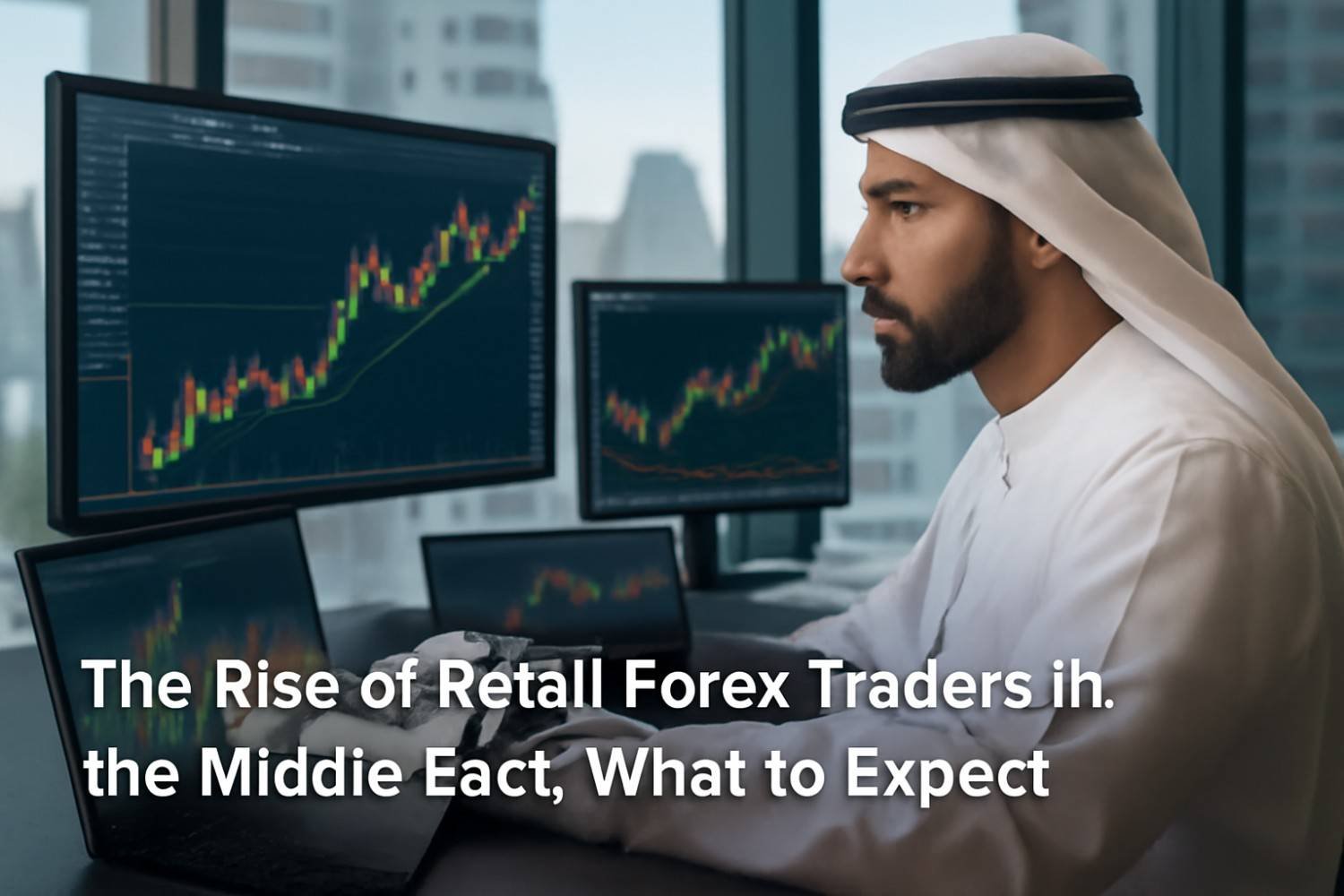
The Middle East has historically been known for its oil-rich economies, with industries such as energy, real estate, and finance dominating the region. However, in recent years, there has been a noticeable shift as retail forex trading has gained significant traction. More individuals are entering the forex market, looking to capitalize on its potential for profit. This rise of retail forex traders in the Middle East is transforming the region’s financial landscape and attracting a new wave of investors.
In this article, we explore the factors driving the growth of retail forex trading in the Middle East, the challenges and opportunities it presents, and what we can expect in the near future.
The Growth of Retail Forex Trading in the Middle East
1. Economic Diversification and Financial Market Development
As the Middle East diversifies its economy away from oil dependency, financial markets are becoming more integrated into global trading systems. This shift is especially evident in the Gulf Cooperation Council (GCC) countries, where economic diversification strategies have accelerated in recent years. Efforts to build non-oil sectors such as technology, tourism, and financial services are creating a more robust and accessible market for investors, including retail forex traders.
Countries like the UAE, Saudi Arabia, and Qatar are playing a leading role in this transformation, making it easier for retail traders to participate in the forex market. The expansion of financial infrastructure, such as the development of regional stock exchanges and trading platforms, is fostering an environment conducive to forex trading.
2. Increasing Access to Online Trading Platforms
One of the most significant factors contributing to the rise of retail forex trading in the Middle East is the accessibility provided by online trading platforms. With the advent of advanced technology, brokers now offer a variety of tools that allow retail traders to execute trades from the comfort of their homes. Platforms such as MetaTrader 4, MetaTrader 5, and proprietary broker platforms enable traders to access real-time market data, advanced charting tools, and a wealth of educational resources.
Additionally, mobile trading apps have made it easier for traders to participate in forex markets, even on the go. This democratization of forex trading has lowered the barrier to entry, enabling more individuals, particularly in tech-savvy countries like the UAE, to participate in currency trading.
3. A Growing Interest in Alternative Investment Vehicles
Retail investors in the Middle East have long favored traditional investment options like real estate and stocks. However, with the global shift towards more diversified portfolios, there is growing interest in alternative investments, including forex trading. Forex trading offers several advantages over traditional investments, such as its 24-hour nature, high liquidity, and the ability to trade on both rising and falling markets.
For many in the Middle East, forex trading has become an attractive alternative to more conventional forms of investment. It offers opportunities for profit with relatively low initial investment, especially for those who do not have access to significant capital for larger investments like real estate.
4. Increased Financial Literacy and Education
The rising number of retail forex traders in the Middle East is also attributed to increasing financial literacy and access to educational resources. Over the past decade, there has been a marked improvement in the availability of financial education through seminars, online courses, and webinars. Leading forex brokers in the region offer free educational materials, courses, and demos to help traders understand the fundamentals of forex trading and develop strategies.
In addition to educational resources provided by brokers, there is a growing number of financial experts, analysts, and social media influencers who are promoting forex trading as a legitimate and profitable venture. As financial literacy increases, more individuals in the region are confident in entering the forex market.
5. Supportive Regulatory Environments
The regulatory environment in the Middle East has evolved to accommodate the growing demand for forex trading. Regulatory bodies such as the UAE’s Securities and Commodities Authority (SCA), the Saudi Capital Markets Authority (CMA), and Bahrain’s Central Bank have established frameworks to regulate forex trading activities. These frameworks aim to protect investors and maintain market integrity while promoting transparency and fairness.
The introduction of regulations tailored to retail forex traders helps instill confidence in the market, providing traders with a safer and more structured environment to trade. Moreover, the GCC’s growing reputation as a global financial hub has attracted international forex brokers, contributing to the region’s increasing participation in global forex markets.
Opportunities for Retail Forex Traders in the Middle East
1. Leverage and Profit Potential
One of the most significant advantages of forex trading is the ability to use leverage. Forex brokers in the Middle East typically offer high leverage, allowing retail traders to control large positions with relatively small amounts of capital. This can significantly increase profit potential, especially in volatile market conditions.
While leverage can amplify profits, it also increases the risk of significant losses. Therefore, it is essential for traders to have a solid understanding of risk management strategies and the implications of using leverage. In the Middle East, many brokers offer demo accounts and educational materials to help traders learn how to use leverage responsibly.
2. Diverse Trading Options
The forex market is the largest and most liquid financial market in the world, offering traders access to a vast array of currency pairs, including major, minor, and exotic currencies. Retail traders in the Middle East have the opportunity to trade not only major pairs like USD/EUR or GBP/USD but also regional currencies, including the Saudi riyal (SAR), UAE dirham (AED), and Kuwaiti dinar (KWD), as well as emerging market currencies.
This diversity allows traders to choose pairs based on their specific trading strategies and preferences. Additionally, the volatility of the forex market can create opportunities for profit, particularly for traders who are able to accurately predict market movements.
3. 24/5 Market Accessibility
The forex market operates 24 hours a day, five days a week, which offers Middle Eastern traders flexibility in terms of when they want to trade. Given the different time zones across the globe, forex markets open in different parts of the world at various times, allowing traders to participate at times that suit their schedules.
For traders in the GCC region, this 24-hour access to the market is particularly advantageous as it enables them to trade during overlapping hours between the Asian, European, and U.S. markets, maximizing trading opportunities.
Challenges Faced by Retail Forex Traders in the Middle East
1. Volatility and Risk
While the forex market offers great profit potential, it also comes with high volatility and significant risk. Currency values can fluctuate rapidly due to a wide range of factors, including economic reports, geopolitical events, and central bank policies. For retail traders, the unpredictable nature of currency movements can be challenging to navigate, especially for those with limited experience.
The risk is compounded by the use of leverage, which can magnify both gains and losses. Traders who are not equipped with the proper knowledge and risk management tools may find themselves exposed to significant financial losses.
2. Market Overreliance on Oil Prices
The GCC region’s dependence on oil exports means that the value of local currencies is often tied to oil prices. Fluctuations in global oil prices can significantly impact the profitability of forex traders in the region. For instance, a drop in oil prices could result in a weakening of currencies like the Saudi riyal or UAE dirham, creating more volatile market conditions for traders.
While there has been a push for economic diversification, oil remains a dominant factor in many economies, which can make forex trading in the region more vulnerable to global commodity price movements.
3. Geopolitical Risks
The Middle East is known for its geopolitical instability, which can lead to sudden and unpredictable movements in the forex market. Political tensions, military conflicts, and diplomatic disagreements can cause fluctuations in currency values, especially those tied to regional currencies.
Retail forex traders in the region must be prepared for these risks, as geopolitical events can create significant volatility, affecting currency prices and trading opportunities. Traders who are unable to navigate such risks may face difficulties in managing their positions.
4. Regulatory Differences and Restrictions
While many GCC countries have established solid regulatory frameworks, there are still variations in the regulations governing forex trading. Some countries may impose stricter regulations than others, which can create a level of uncertainty for traders, particularly those who wish to trade across borders.
Additionally, some countries in the region may still have more restrictive financial policies that can affect the ability of retail traders to access global forex markets.
What to Expect: The Future of Retail Forex Trading in the Middle East
The rise of retail forex trading in the Middle East is expected to continue as economies diversify, technology advances, and financial literacy increases. We can expect several key trends:
-
Increased Adoption of Advanced Technologies: With the growing popularity of mobile trading and fintech innovations, retail forex traders in the Middle East will have access to more sophisticated tools and platforms to enhance their trading experience.
-
Stronger Regulatory Frameworks: As the forex market continues to evolve, regulatory bodies in the region will likely refine and strengthen their frameworks to ensure greater market stability and investor protection.
-
More Focus on Risk Management: With greater awareness of the risks involved in forex trading, there will be an increased emphasis on risk management techniques, helping traders navigate the market with greater confidence.
-
Greater Market Participation: As financial literacy improves, more individuals in the Middle East will participate in forex trading, contributing to increased market liquidity and potentially more stable currency markets.
Conclusion
The rise of retail forex traders in the Middle East represents a shift in the region’s economic landscape, offering new opportunities for individuals looking to diversify their investments. While there are challenges, such as market volatility and geopolitical risks, the advantages of forex trading—such as 24-hour market access, high liquidity, and the potential for significant profits—make it an attractive option for many traders in the region.
As the market matures, retail forex traders in the Middle East will likely benefit from increased education, improved regulations, and advanced trading technologies, positioning the region as a growing force in the global forex market.