What Makes a Great Basketball Shoe?
A great basketball shoe balances several elements. It must protect the athlete while enabling high-level performance. The design focuses on movements common in basketball. These include vertical jumps, lateral cuts, and sudden stops. Every part of the shoe, from the sole to the collar, has a purpose.
Performance basketball shoes are built with specific materials. These materials manage impact and provide stability. The goal is to reduce injury risk and increase comfort during play. A good shoe feels like an extension of your foot. It should move with you, not against you.
Basketball shoes are a critical piece of equipment. They are not just footwear. They are tools designed for the specific demands of the sport. The right pair of basketball shoes can improve your game. They provide the support, cushioning, and grip needed for jumps, cuts, and sprints. This guide explains what makes a great performance basketball shoe. It will help you choose the right pair for your needs.
Key Technologies for Performance and Safety
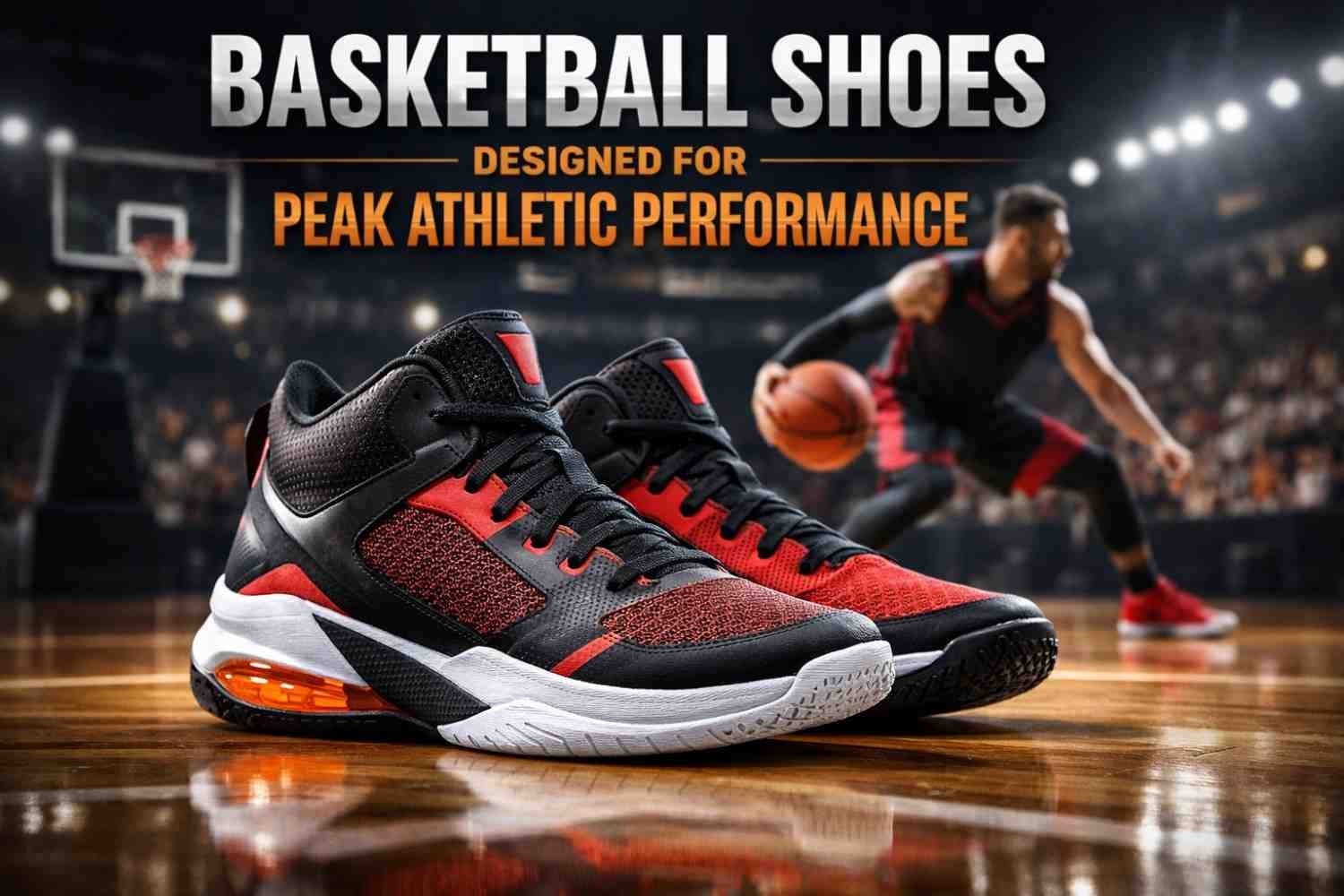
Modern basketball shoes use advanced technologies. Air cushioning units, foam compounds, and carbon fiber plates are common. These technologies absorb shock from jumps. They also return energy to help with explosive movements. Support systems use straps, molded heel counters, and high-top designs. These features stabilize the ankle during aggressive direction changes.
Safety is a primary function. Technologies focus on preventing common basketball injuries. These include ankle sprains and stress on joints. The right technology makes the shoe safer and more effective.
How Basketball Shoes Differ from Other Athletic Footwear
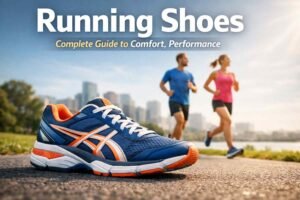
Basketball shoes are unique. They are not the same as running shoes or cross-trainers. Running shoes are designed for forward motion. They prioritize lightweight cushioning for heel-to-toe movement. Basketball requires multi-directional movement.
Basketball shoes have wider, flatter outsoles. This design provides a stable base for lateral moves. The uppers are often stronger to handle the stress of side-to-side action. Ankle support is also more pronounced in basketball models. Understanding these differences is key to selecting the correct athletic shoe.
Essential Features of Performance Basketball Shoes
Several core features define performance basketball shoes. Each feature addresses a specific physical demand of the game. When these elements work together, the shoe performs well.
Cushioning Systems for Impact Protection
Cushioning is vital. Players jump and land repeatedly. A good cushioning system absorbs this impact. It protects knees, ankles, and joints from stress. Different brands use various cushioning technologies. Some use air pockets, while others use specialized foam.
The cushioning must be responsive. It should not feel too soft or too hard. The right amount of cushioning helps with comfort and energy return. It can make a player feel quicker and less fatigued.
Ankle Support and Stability for Quick Cuts
Basketball involves sharp, sudden changes of direction. This motion puts strain on the ankles. Shoes with good ankle support help prevent rolls and sprains. Support comes from the shoe’s height and its internal structure.
High-top shoes offer the most obvious support. Some players prefer mid-tops for a balance of mobility and stability. The shoe should have a secure fit around the heel and midfoot. This prevents the foot from sliding inside the shoe during a cut.
Traction and Outsole Patterns for Court Grip
Traction determines how well the shoe grips the court surface. Without good traction, a player can slip. This affects speed, defense, and shooting stability. The outsole rubber and its pattern create traction.
Herringbone patterns are very common. They provide grip in multiple directions. The rubber compound must be durable and not too hard. Softer rubber often grips better on clean indoor courts. Outdoor courts require a harder, more durable rubber to resist wear.
Choosing the Right Basketball Shoes for Your Game
Selecting basketball shoes is a personal process. The best shoe for one player may not work for another. You must consider your style of play, where you play, and your physical needs.
Analyzing Your Position and Playing Style
Your role on the court influences your shoe choice. Guards need shoes that are lightweight and responsive. They make frequent cuts and need shoes with excellent traction. Forwards and centers often prioritize cushioning and ankle support. They jump more and play closer to the basket.
Consider how you move. Are you a fast, agile player? Or do you rely on strength and positioning? Your playing style should guide your decision toward features that help your game.
Indoor vs. Outdoor Court Considerations
The playing surface matters. Indoor courts are smooth and clean. Shoes for indoor play use softer rubber for maximum grip. The outsoles are often not as thick. Outdoor courts are rough and abrasive. They wear down shoes quickly.
Outdoor basketball shoes need durable rubber compounds. The traction pattern should be deep to handle dust and debris. Using an indoor shoe outside will ruin its outsole fast. Some shoes are marketed as suitable for both surfaces, but durability may suffer.
Importance of Proper Fit and Sizing
A perfect fit is non-negotiable. Shoes that are too big cause blisters and a lack of control. Shoes that are too small are painful and restrict movement. Your foot should feel snug, not tight. There should be about a thumb’s width of space between your longest toe and the shoe’s end.
Always try shoes on with the type of socks you play in. Lace them up fully and walk around. Mimic a basketball stance to check for pressure points. The fit should be secure from heel to toe.
Top Performance Basketball Shoes for Athletes
Several brands lead the market in performance basketball shoes. Each brand brings different technologies and design philosophies. Knowing their strengths can help you find a good match.
Nike’s Leading Basketball Shoe Technologies
Nike uses technologies like Zoom Air and React foam. Zoom Air provides low-profile, responsive cushioning. It feels fast and springy. React foam offers soft, durable cushioning that retains its bounce. Nike often combines these with supportive uppers made from knit or synthetic materials.
Their shoes frequently set trends in design and performance. Many professional athletes wear Nike models. The brand focuses on innovation for different types of players.
Under Armour’s High-Impact Cushioning Models
Under Armour is known for its HOVR and Micro G cushioning. These technologies aim to balance impact absorption and energy return. The brand emphasizes a locked-in fit and stability. Many of their models feature external heel counters and wide bases.
Their shoes often cater to players who want a supportive, stable feel. The designs focus on containing the foot during aggressive movements.
Comparing Durability and Support Across Brands
Durability varies. Some brands use tougher materials in high-wear areas. Others prioritize lightweight feel, which can sometimes reduce longevity. Consider how often and where you play. A weekend player has different durability needs than someone who plays daily.
Support systems also differ. Some brands use external straps or wings. Others rely on the shoe’s internal structure and lacing system. Trying on shoes from different brands is the best way to compare the feel of support.
Maintaining Your Basketball Shoes for Longevity
Good basketball shoes are an investment. Proper care makes them last longer and perform better. Maintenance is simple but important.
Cleaning and Care Techniques for Different Materials
Clean your shoes after use, especially if you play outdoors. Remove loose dirt with a dry brush. For uppers made of mesh or knit, use a mild soap and water solution. Wipe gently with a soft cloth. Avoid soaking the shoes.
For leather or synthetic leather, use a cleaner designed for those materials. Always air dry shoes at room temperature. Never put them in a clothes dryer or near direct heat, as this can damage glues and materials.
Knowing When to Replace Your Basketball Shoes
Shoes lose their performance features over time. The cushioning compresses and becomes less effective. The outsole traction wears down. A common sign is feeling more impact in your joints after playing.
Inspect the outsole. If the traction pattern is smooth in key areas, grip is reduced. If the midsole is visibly creased and feels flat, the cushioning is gone. Replacing worn-out shoes is important for both performance and injury prevention.
Common Basketball Shoe Mistakes to Avoid
Many players choose shoes for the wrong reasons. Avoiding these mistakes ensures you get a shoe that helps your game.
Choosing Style Over Performance Features
The colorway or athlete endorsement should not be the main reason for buying. A shoe might look great but not suit your foot or playing style. Always prioritize the technical features that match your needs. Performance should come first. Style is a secondary benefit.
Ignoring Break-In Periods and Fit Issues
New shoes often need a break-in period. However, they should not cause pain. A little stiffness is normal. Blisters or sharp pain are not. Do not assume discomfort will go away.
Also, do not buy shoes that are too small, hoping they will stretch. While some materials may give a little, a shoe that is tight from the start will likely remain uncomfortable.
Find Your Perfect Fit for the Court
Use this guide to make an informed decision. Try on multiple pairs. Move around in them. Think about your specific needs as a player. The best basketball shoes for you are the ones that feel secure, supportive, and responsive. They should give you confidence with every step, cut, and jump on the court.
Conclusion
Basketball shoes are specialized equipment. The right pair supports your movements and protects your body. Focus on cushioning, support, traction, and fit. Consider your position and where you play. Take care of your shoes to extend their life. Avoid common mistakes like choosing style over substance. Investing time in selecting the correct performance basketball shoes is an investment in your game and your safety on the court.
(FAQs)?
What is the most important feature in basketball shoes?
There is no single most important feature. A combination of fit, cushioning, and traction is critical. However, if the shoe does not fit properly, no other feature matters. A bad fit leads to discomfort, blisters, and poor performance. Always ensure a secure, comfortable fit first.
How often should I replace my performance basketball shoes?
Replacement depends on how often you play. A player who practices or games several times a week may need new shoes every 3 to 6 months. Look for physical signs: worn-out traction, compressed cushioning that feels flat, or visible damage to the upper. If your legs or feet feel more sore than usual after playing, it may be time for a new pair.