
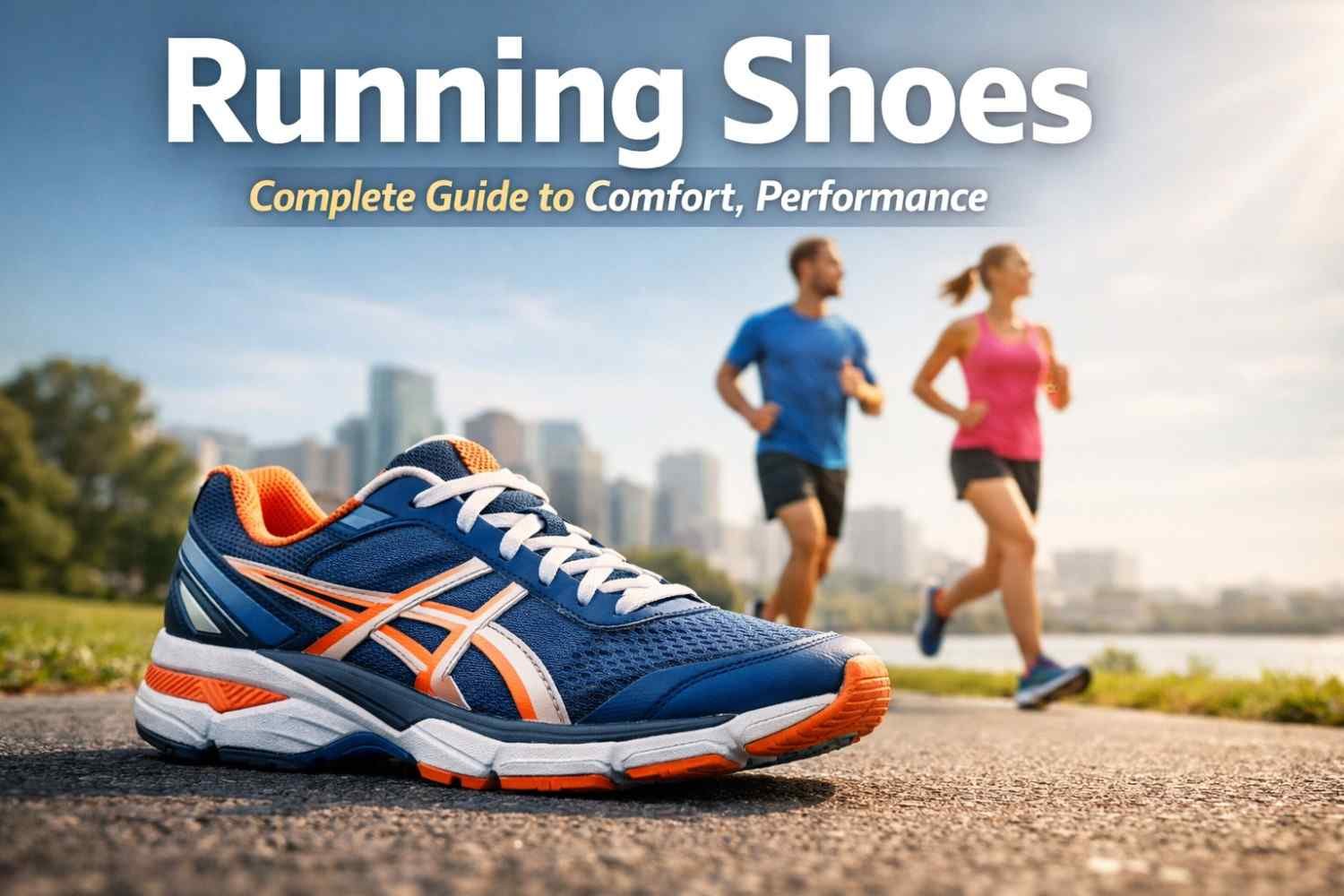
Running Shoes: The Ultimate Guide for Comfort, Performance, and Injury-Free Training
Running Shoes. Whether you are a beginner taking your first steps into fitness or an experienced athlete chasing personal records, it plays a crucial role in your performance and overall health. They are not just another pair of sneakers; they are carefully designed tools that protect your feet, improve your movement, and make running feel easier and more enjoyable.
Many people underestimate the importance of choosing the right footwear. Wearing improper shoes can lead to discomfort, poor posture, and even long-term injuries. On the other hand, the right can completely transform your running experience, giving you better energy return, grip, and confidence with every step.
Why Running Shoes Are So Important
The human foot absorbs a significant amount of impact while running. Each step puts pressure on your joints, muscles, and bones. are specially designed to absorb this shock and distribute it evenly, reducing stress on your body.
Unlike casual sneakers, running footwear focuses on cushioning, flexibility, and support. These features help maintain proper alignment of the foot and ankle, which directly affects posture and movement.
Another key reason matter is injury prevention. A proper shoe rack reduces the risk of common problems like shin splints, plantar fasciitis, knee pain, and ankle strain.
How Running Shoes Are Different from Football Shoes
Many people confuse sports footwear and assume one pair works for all activities. However, football shoes serve very different purposes.
built for forward motion, long distances, and repetitive impact. They focus on cushioning, lightweight design, and flexibility. In contrast, football shoes are designed for lateral movement, sudden stops, and grip on turf or grass. They often have studs or cleats and offer less cushioning.
Using football shoes for running can be uncomfortable and risky, as they lack proper shock absorption. Similarly, using running footwear for football can reduce performance and stability.
Key Features
Cushioning
Cushioning absorbs impact and provides comfort. It is especially important for long-distance runners and people with joint issues.
Support
Support helps maintain natural foot alignment. Some runners need extra arch support depending on their foot shape.
Breathability
Good airflow keeps feet cool and dry, preventing blisters and odor.
Grip and Outsole
The outsole provides traction and stability on different surfaces like roads, tracks, or trails.
Types of Running Shoes
Road Running Shoes
Designed for pavements and treadmills, these shoes focus on cushioning and lightweight performance.
Trail Running Shoes
Built for off-road surfaces, they offer stronger grip and protection from rocks and uneven terrain.
Stability Shoes
Ideal for runners who need extra support due to overpronation or foot imbalance.
Minimalist Shoes
These offer less cushioning and promote natural foot movement, suitable for experienced runners.
How to Choose the Perfect Shoes
Selecting the right pair is a personal process. Everyone’s feet are different, and what works for one person may not work for another.
Start by understanding your foot type. Some people have flat feet, while others have high arches. This affects how your foot strikes the ground.
Next, consider your running goals. Are you training for a marathon or just jogging for fitness? Your intensity and distance matter.
Finally, always try the shoes before buying. Walk and run a little in them to check comfort and fit. Your toes should have enough space, and the heel should feel secure.
Common Mistakes When Buying Shoes
One of the biggest mistakes people make is choosing style over comfort. While design is important, functionality should always come first.
Another mistake is buying shoes that are too tight. Feet expand slightly during running, so tight shoes can cause pain and blisters.
Many people also assume expensive means better. While quality matters, the best are the ones that suit your feet, not your budget.
The Psychological Impact of Good Shoes
Wearing comfortable and well-fitted clothes can boost motivation and confidence. When your feet feel good, you are more likely to enjoy your workout and stay consistent.
There is also a mental connection. A new pair of shoes often feels like a fresh start, encouraging people to adopt healthier habits. In contrast, uncomfortable shoes can make running feel like a burden, reducing motivation over time.
Durability and Maintenance
Goods are an investment, and proper care can extend their life. On average, a pair lasts between 400 and 600 kilometers, depending on usage and quality.
Cleaning them regularly, avoiding excessive moisture, and using them only for running helps maintain their structure. Using the same shoes for football or rough activities can wear them out faster.
Running Shoes vs. Football Shoes: Which One Should You Buy?
If your main activity is running, always choose . They are designed specifically for forward movement and impact protection. If you play football regularly, invest in proper football shoes for better grip and control.
Some people try to compromise with multipurpose sports shoes, but this often leads to discomfort and lower performance. Having separate footwear for different sports is always the best choice.
Benefits of Investing in Quality Running Shoes
- Reduces the risk of injuries
- Improves posture and balance
- Enhances running efficiency
- Provides long-lasting comfort
- Increases motivation and consistency
Final Thoughts
Running shoes are more than just sports footwear; they are a foundation for a healthy and active lifestyle. The right pair can improve your performance, protect your body, and make every run enjoyable.
While football shoes serve their own purpose, running footwear is essential for anyone serious about comfort and long-term fitness. Choosing the right shoes means investing in your health, motivation, and overall well-being.
(FAQs)?
1. How often should I replace my running shoes?
Most running shoes should be replaced after 400–600 kilometers or when cushioning feels worn out.
2. Can I use running shoes for football?
It is not recommended. Football shoes offer better grip and stability for that sport.
3. Are expensive running shoes always better?
Not necessarily. The best shoes are the ones that fit your feet and meet your needs.
4. Should running shoes feel tight or loose?
They should feel snug but not tight. Your toes need space to move.
5. Can I use running shoes for walking and the gym?
Yes, running shoes are versatile and suitable for walking and light gym workouts.