Perfume Bottles: Where Fragrance Meets Art and Design
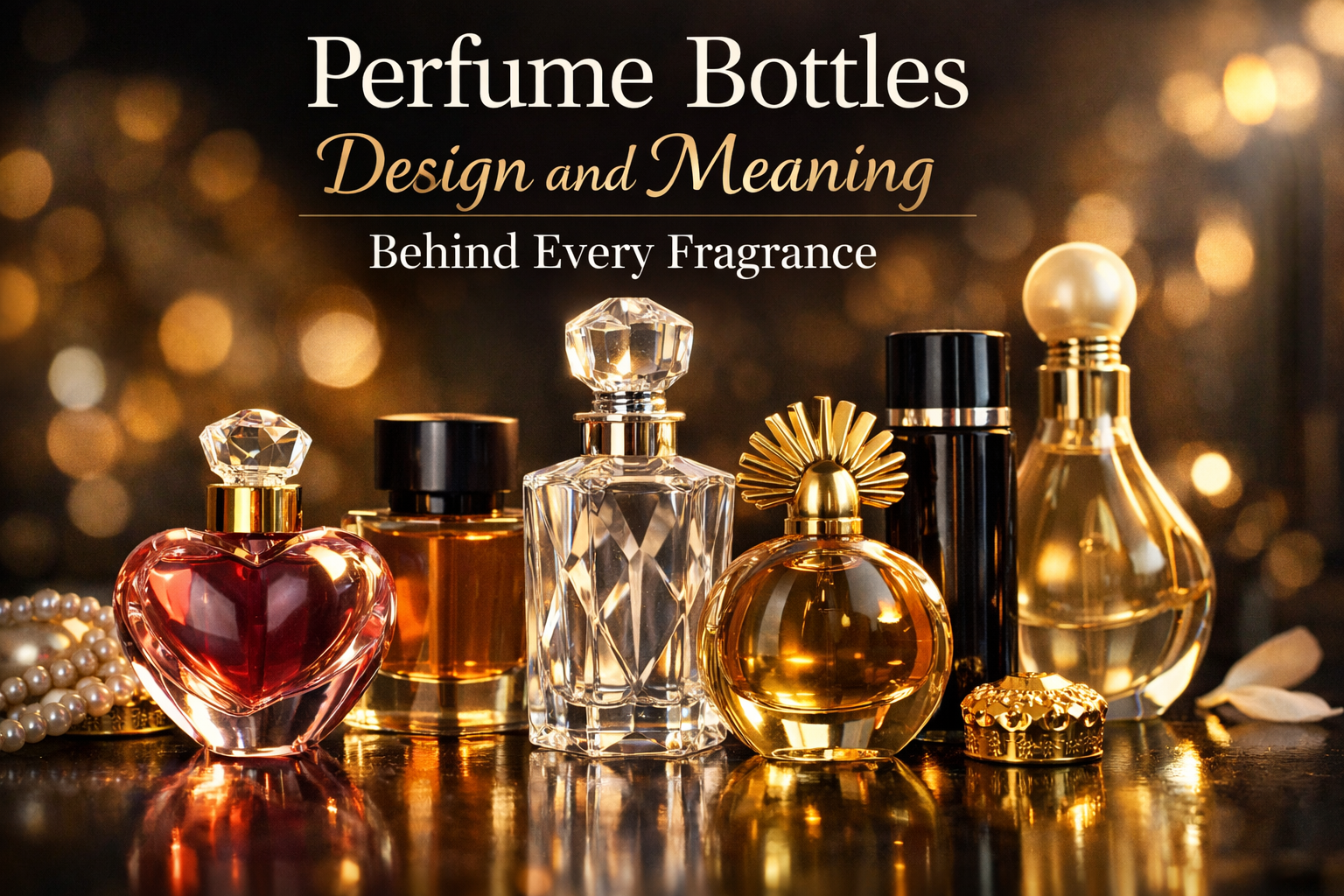
Perfume bottles are often remembered by their scent, but it is the perfume bottle that creates the very first impression. Long before the fragrance touches the skin, the bottle speaks through its shape, color, weight, and design. Perfumes are more than containers; they are expressions of creativity, emotion, and identity. They hold stories of luxury, craftsmanship, and personal taste.
From minimalist glass flacons to ornate collector pieces, perfumes have evolved into works of art that reflect both the fragrance inside and the era in which they were created. For many fragrance lovers, the bottle itself becomes just as meaningful as the scent it protects.
The Importance of Perfume Bottles in the Fragrance World
A perfume bottle is the visual signature of a fragrance. It communicates mood, personality, and intention before a single note is smelled. A well-designed bottle can evoke elegance, mystery, romance, or bold confidence, shaping expectations and emotional connection.
Brands invest heavily in bottle design because it plays a powerful role in how a perfume is perceived. The right bottle enhances the overall experience, making Daisy Fragrance the fragrance feel complete. In many cases, people fall in love with a perfume bottle first, and the scent simply confirms the attraction.
A Brief History of Perfume Bottles
Perfume bottles have existed for thousands of years, evolving alongside culture and art. In ancient civilizations, fragrances were stored in clay, stone, or metal containers. These early bottles were functional, yet often decorated with symbolic carvings and patterns.
As glassmaking techniques improved, bottles became more refined. During the Renaissance and later periods, they transformed into luxury objects, often handcrafted and embellished. In modern times, bottles reflect contemporary aesthetics while still honoring traditional craftsmanship. Today, they balance beauty, practicality, and brand identity.
How Design Influences the Perception of Perfume
The design of bottles directly affects how a fragrance is experienced. A heavy glass bottle often suggests richness and longevity, while a sleek, transparent design hints at freshness and simplicity. Even small details such as the shape of the cap or the curve of the bottle can influence how luxurious a perfume feels.
Design also affects usability. A well-balanced bottle fits comfortably in the hand, while a quality spray mechanism ensures the fragrance is applied evenly. These subtle details contribute to the overall satisfaction of using a perfume daily.
Materials Commonly Used in Perfume Bottles
Most bottles are made from glass, as it preserves fragrance quality and allows creative freedom in design. However, modern bottles may incorporate metal, crystal, ceramic, or decorative plastic elements to enhance their visual appeal.
The choice of material often reflects the brand’s philosophy. Luxury perfumes typically use thicker glass and refined finishes, while minimalist brands may prefer clean, lightweight designs. Regardless of material, the goal remains the same: to protect the fragrance while elevating its presentation.
Perfume Bottles as Collectible Art Pieces
For many enthusiasts, bottles are collectible treasures. Limited editions, vintage designs, and discontinued bottles often become highly sought-after items. Some collectors value bottles for their artistic design, while others appreciate the nostalgia and history they represent.
Over time, certain bottles gain iconic status, becoming symbols of an era or a brand’s legacy. These bottles are often displayed like decorative objects, admired even when the fragrance inside is gone.
The Emotional Connection to Perfume
Bottles often hold emotional value beyond their physical form. They can remind us of special moments, loved ones, or significant phases in life. A familiar bottle on a dresser can instantly trigger memories through sight alone, even before the scent is released.
This emotional bond is one reason people hesitate to throw away empty bottles. They become keepsakes, silent witnesses to personal stories and experiences.
How Modern Trends Are Shaping Perfume Bottle Design
Today’s perfumes reflect changing consumer preferences. Sustainability has become increasingly important, leading brands to explore recyclable materials and refillable designs. Simplicity and transparency are also trending, with clean lines and understated elegance replacing overly ornate styles.
At the same time, artistic expression remains central. Many brands collaborate with designers and artists to create bottles that feel unique and expressive while remaining functional.
Why Perfume Bottles Matter More Than Ever
In a competitive fragrance market, bottles help brands stand out. With countless scents available, a distinctive bottle can capture attention and create lasting recognition. It becomes a visual shortcut to the brand’s identity and values.
For consumers, a beautiful perfume bottle enhances the daily ritual of wearing fragrance. It transforms a simple action into a moment of indulgence and self-expression.
Key Elements That Make Perfume Stand Out
-
A shape that reflects the fragrance’s personality
-
High-quality materials that feel luxurious to touch
-
Thoughtful details that enhance usability
-
Visual balance between creativity and simplicity
-
A design that remains appealing over time
Caring for and Displaying Perfume
Proper care helps preserve both the fragrance and the bottle. Perfume should be stored away from direct sunlight and extreme temperatures. Displaying them on a vanity or shelf adds beauty to a space, but they should be kept in a stable environment to prevent damage.
Many people choose to repurpose empty perfume as decorative items, further extending their value beyond their original purpose.
Final Thoughts
Perfume bottles are where scent meets storytelling. They combine art, design, and emotion into a single object that holds more than fragrance; it holds meaning. Whether minimal or extravagant, modern or vintage, perfume bottles play a vital role in how we experience and remember perfumes.
(FAQs)
1. Why are perfume bottles usually made of glass?
Glass preserves fragrance quality and does not react with perfume ingredients, making it ideal for long-term storage.
2. Do perfume bottles affect the fragrance inside?
Yes, high-quality bottles help protect the perfume from light and air, maintaining its original scent for longer.
3. Are perfume bottles recyclable?
Many perfume bottles are recyclable, especially glass ones, though pumps and caps may need to be removed first.
4. Why do some perfume bottles feel heavy?
Heavier bottles often indicate thicker glass and premium materials, which enhance the feeling of luxury.
5. Can empty perfume bottles be reused?
Yes, empty perfume bottles are often reused as decorative items, vases, or collectible display pieces.