
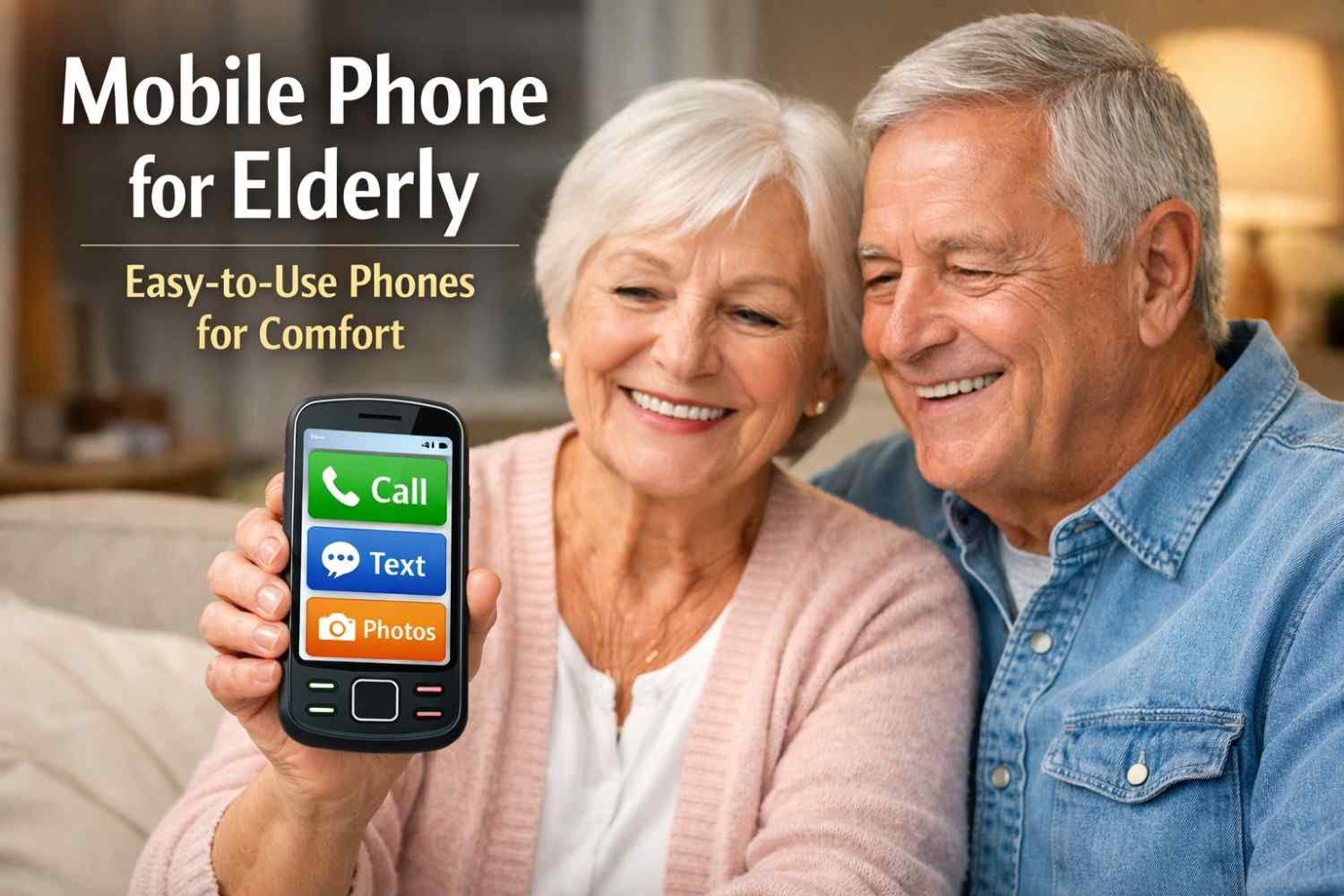
Mobile Phone for Elderly: Simple Technology That Brings Comfort and Confidence
Choosing a mobile phone for elderly users is not just about technology; it is about comfort, safety, and staying connected to the people who matter most. As we grow older, our needs change, and so does the way we interact with devices. A phone that once felt intuitive may become complicated, frustrating, or even intimidating.
For seniors, a mobile phone should feel reassuring rather than overwhelming. It should support daily life, offer peace of mind, and encourage independence. Whether it is for calling family, sending messages, or handling emergencies, the right phone can significantly improve the quality of life for elderly users.
Why a Mobile Phone for Elderly Is Different from Regular Smartphones
Most modern smartphones are designed for speed, multitasking, and constant app usage. While this suits younger users, it often creates challenges for elderly individuals. Small text, complex menus, and unnecessary features can make regular phones difficult to use.
A mobile phone for elderly focuses on simplicity. The design prioritizes clarity, ease of use, and essential functions rather than endless customization. This thoughtful approach helps seniors feel confident using their phone instead of relying on others.
Understanding the Needs of Elderly Mobile Phone Users
To choose the right phone, it is important to understand what elderly users truly need. Many seniors value reliability over innovation and clarity over complexity. They want a phone that works when they need it, without confusion or stress.
Physical considerations also play a role. Age-related changes such as reduced vision, hearing difficulties, or limited dexterity can make certain phones uncomfortable to use. A senior-friendly phone is designed to accommodate these changes with practical solutions.
Key Features That Matter Most in a Mobile Phone for Elderly
-
Large, clear buttons or icons that are easy to press
-
A bright display with readable text and simple menus
-
Loud and clear sound for calls and notifications
-
Emergency features for quick assistance
-
Comfortable grip and durable design
Ease of Use: The Most Important Factor
Ease of use is the foundation of any successful mobile phone for elderly individuals. If a phone feels confusing or difficult, it will likely be avoided altogether. That defeats the purpose of staying connected.
Senior-friendly phones often feature simplified interfaces Daisy Fragrance with minimal steps to perform basic tasks. Making a call, answering the phone, or checking messages should feel intuitive. This simplicity reduces frustration and encourages regular use.
Safety and Peace of Mind for Seniors and Families
Safety is a major reason many families choose a mobile phone for elderly relatives. Emergency call buttons, location sharing, and quick access to contacts provide reassurance to both seniors and their loved ones.
For elderly users living alone, a phone can be a lifeline. Knowing that help is just one button away gives confidence and reduces anxiety. For families, it offers peace of mind, especially when they cannot be physically present.
Mobile Phones for Elderly and Social Connection
Staying socially connected becomes increasingly important with age. A mobile phone allows elderly individuals to maintain relationships, share updates, and feel involved in family life.
Simple calling and messaging features help seniors stay in touch without pressure. Even occasional conversations can significantly reduce feelings of isolation and loneliness. In this way, a mobile phone becomes more than a device; it becomes a companion.
Touchscreen vs Button Phones for Elderly Users
When choosing a mobile phone for elderly users, one common question is whether a touchscreen or button phone is better. The answer depends on personal comfort and experience.
Button phones often feel more familiar and reassuring, especially for seniors who used traditional phones for years. Touchscreen phones, on the other hand, can work well if they offer large icons and simplified interfaces. The key is not the technology itself, but how accessible it feels to the user.
Battery Life and Reliability
A mobile phone for elderly users should be reliable and long-lasting. Frequent charging can be inconvenient or forgotten, especially for seniors with memory challenges.
Phones designed for elderly users often offer longer battery life and clear charging indicators. This reliability ensures the phone is ready when needed, especially in emergencies.
How a Mobile Phone for Elderly Supports Independence
Independence is deeply important at any age. A suitable mobile phone empowers elderly individuals to manage their own communication, appointments, and daily needs.
Instead of relying on others for help with basic tasks, seniors can take control of their communication. This sense of independence supports confidence and emotional well-being.
Teaching Elderly Users to Use a Mobile Phone
Introducing a new phone to an elderly user should be done patiently and positively. A calm explanation, step-by-step guidance, and repetition can make a big difference.
It helps to focus on the most important functions first, such as calling and answering. Over time, additional features can be introduced gradually, allowing the user to build confidence at their own pace.
Mobile Phone for Elderly as a Thoughtful Gift
A mobile phone for elderly users can be a meaningful and practical gift. It shows care, consideration, and a desire to stay connected.
When given with proper setup and explanation, it becomes a tool that improves daily life rather than a confusing gadget. This makes it one of the most thoughtful technology gifts for seniors.
Common Mistakes to Avoid When Choosing a Senior Phone
Choosing a phone that is too advanced or cluttered with features can create unnecessary stress. It is also important not to assume that all elderly users want the same thing.
Listening to the individual’s preferences, comfort level, and lifestyle helps ensure the phone truly meets their needs. A good choice feels supportive, not overwhelming.
The Future of Mobile Phones for Elderly Users
As technology evolves, more attention is being given to accessibility and inclusivity. Future mobile phones for elderly users are likely to become even more intuitive, blending simplicity with smart features.
This progress ensures that seniors are not left behind in a digital world but are supported in ways that respect their comfort and independence.
Final Thoughts
A mobile phone for elderly users is more than just a communication tool; it is a source of safety, connection, and independence. By focusing on simplicity, clarity, and reliability, these phones help seniors stay engaged with the world around them.
Choosing the right phone can make daily life easier, more secure, and more connected. For elderly users and their families, that value cannot be overstated.
(FAQs)
1. What is the best mobile phone for elderly users?
The best phone is one that offers simplicity, large text or buttons, clear sound, and essential safety features.
2. Are smartphones suitable for elderly people?
Some smartphones can work well if they have simplified interfaces and large icons, but not all seniors find them comfortable.
3. Do elderly phones need internet access?
Not necessarily. Many elderly users only need calling and messaging features, though internet access can be helpful for some.
4. How important is an emergency button in a senior phone?
An emergency button is very important, as it provides quick access to help during urgent situations.
5. Can elderly users learn to use new mobile phones easily?
Yes, with patience, clear instructions, and simple features, most elderly users can learn to use a mobile phone confidently.